Where does my toll money go? Five most common misconceptions about the NTTA
North Texas residents aren’t strangers to toll roads. In fact, many people who live in cities like Frisco or Plano and work in Dallas travel on a toll road every day.
Read more 2 men face capital murder charges in shooting death of unborn baby, Dallas police say

The North Texas Toll Authority controls many major toll roads in the four-member county region: Collin, Dallas, Denton and Tarrant. More than 14 million people drive on NTTA roads per year, according to the toll authority’s website.
But not everyone understands how the toll roads work. Here are five of the most common misconceptions surrounding the NTTA and toll roads in North Texas.
Who owns the NTTA?
The toll authority is a political subdivision of the state of Texas, created under Chapter 366 of the state’s transportation code — which dictates who creates toll roads, how they’re funded and enforced, and what power they have. NTTA is a self-funded agency designed to be fully dependent on the toll revenue collected from motorists who use the tollways.
Don’t let Google decide who you trust.
“We are a regional tollway authority,” NTTA’s External Affairs Director Arturo Ballesteros said. “We are not in any way, shape or form owned by any sort of foreign or private interest. We belong to the four-member counties and derive our authority to operate from statutes here in Texas.”
Are all North Texas toll roads operated by the same people?
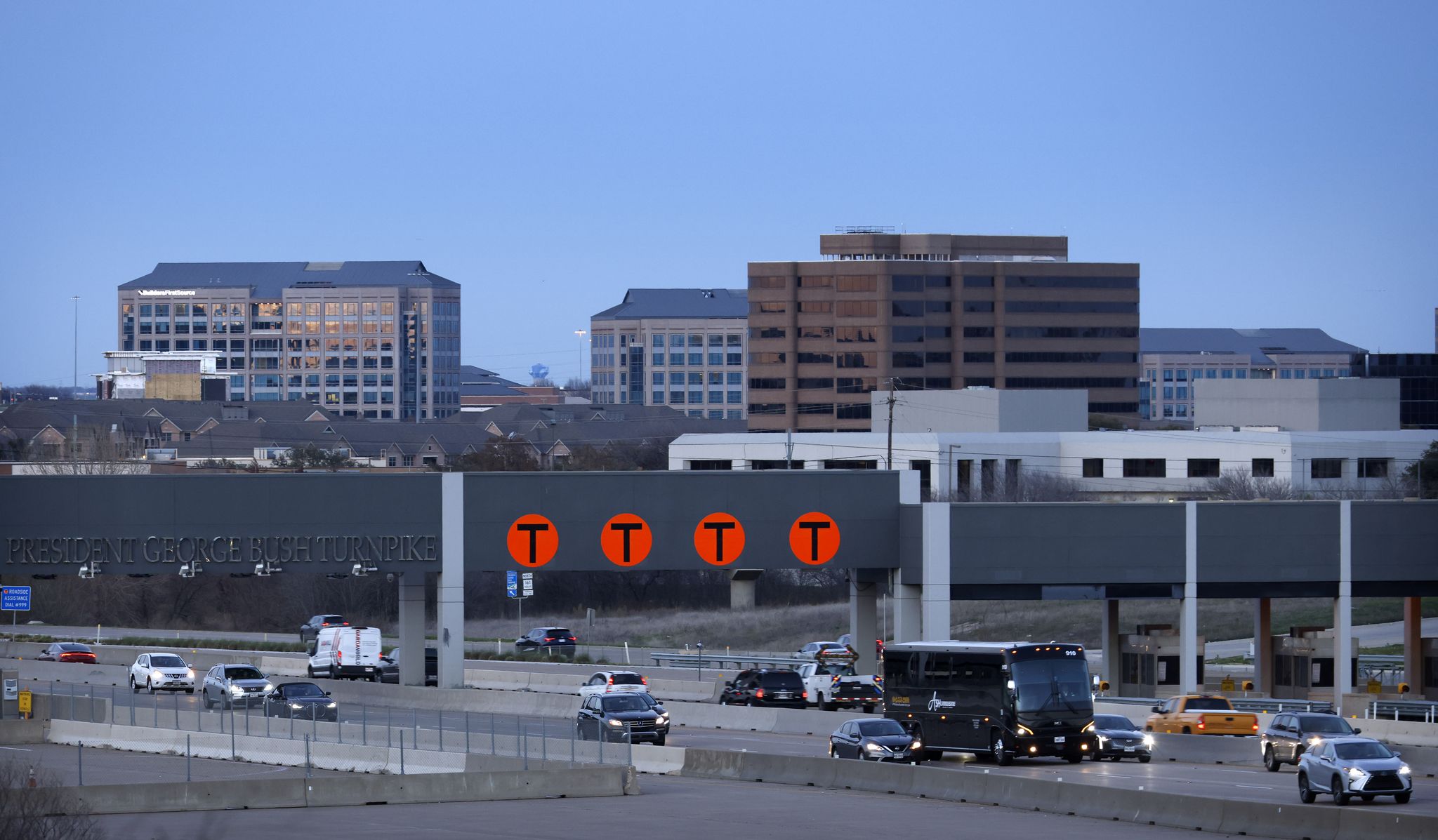
Almost half of all toll roads in North Texas are controlled by the NTTA. The region has major toll roads, and the NTTA owns five roads, two tunnels and a bridge. Some of the NTTA’s major highways include Dallas North Tollway, President George Bush Turnpike, Sam Rayburn Tollway and Chisholm Trail Parkway.
TEXpress lanes are owned and operated by the Texas Department of Transportation. However, the North Tarrant Express and the Lyndon B. Johnson Express lanes are managed and operated by a company called Cintra Concesiones de Infraestructuras de Transporte S.A., a Spanish firm that also manages highways in Virginia and North Carolina, as well as nine other countries.
TxDOT entered a 50-year public-private partnership agreement with Cintra’s U.S. firm in 2012. The firm agreed to pay for the construction of toll lanes near Fort Worth in exchange for the right to collect toll revenue from those roads. Cintra provided $2.78 billion in financing for LBJ and more than $1 billion for NTE.
“We don’t own, operate, maintain or set rates for TEXpress lanes,” NTTA Media Relations Manager Michael Rey, said. “The reason we do the shared billing is because we want to extend the value of the TollTag. We want to make sure drivers can drive across the region with one single TollTag, one point of billing, instead of looking like a NASCAR driver with various stickers or getting various bills. Everything funnels through one place for convenience.”
Where does the money users pay for tolls go?
NTTA toll prices are fixed rates and not subject to dynamic pricing like other toll roads in North Texas. With a TollTag, drivers generally pay about 20 cents per mile for a segment on the toll road with some price variety based on entry and exit points. ZipCash is double the posted toll price for a segment. Specific construction projects can affect pricing in certain areas.
Toll price changes are reviewed annually and increased every other year by 2.75%. When evaluating changes, the board considers factors such as traffic, revenue needs, debt coverage, inflation and capital plans.
“Everything we do is geared around safety, even our planting,” Rey said. “We try to use drought-resistant, more native friendly plantings wherever possible. At the end of the day, what you see as pretty landscaping is really erosion control to keep things from sliding onto the roadway through various methods.”
Read more Judge reinstates longtime North Texas transportation chief Michael Morris
Toll revenue is used to pay for NTTA operations, including maintenance, staff salaries and “providing an alternative funding source for building and maintaining roads.”
In , NTTA made over $1.1 billion in traffic and toll revenue, with an average transaction of $1.27. The toll authority also received almost $100 million in additional fees and revenue. Of that money, 28% went toward operations and maintenance.
Do NTTA employees receive commissions from late fees?
The toll authority does not charge interest on outstanding balances, according to the NTTA. Drivers without a TollTag will receive a ZipCash bill in the mail for each trip. If unpaid, a missed payment notice will be sent after one month, and a $10 flat late fee will be applied. A second notice will be sent the following month if the bill is still not paid along with an additional $25 flat late fee. Late fees are flat amounts, not a percentage of the unpaid bill, and are capped at $35 per trip. However, fees can continue to accrue if additional tolls are incurred and remain unpaid.
For example, if a driver travels on a toll road in March and does not pay their bill for two months, they will receive late fees capped at $35. However, if they continue to drive on the same road in April, a new payment will occur and will accrue new late fees if the bills remain unpaid.
“Our employees are hourly employees,” Ballesteros said. “They do not receive any commissions or quotas from the tolls that they collect from the customers.
The TollTag is the cheapest option for toll road use. According to the NTTA, the TollTag adoption rate is 82%. An estimated 8-9% of people will pay a ZipCash invoice, but the remaining will not.
“If we see, what is designated by the Legislature as ‘habitual violators’— which means they have 100 tolls and two notices of nonpayment within a one-year cycle — then they are subject to having their registration blocked until those tolls are accounted for,” Rey said.

Catch up on the latest news and top stories from across North Texas, with updates in the morning and evening.
By signing up, you agree to our Terms Of Use and acknowledge that your information will be used as described in our Privacy Policy.
Where does my TollTag work?
The TollTag works statewide, not just in North Texas. It is valid on NTTA toll roads, TEXpress lanes and airport toll passes. The transponder is also accepted across Oklahoma and Kansas, some toll roads in Colorado and most tollways in Florida. The toll authority is working on expanding agreements in other parts of the country as well.
“The TollTag itself becomes a vehicle for payment. Who you’re paying can vary,” Rey said.
Read more Live radar: Wednesday brings another chance for rain, thunderstorms to D-FW. Here’s when
Staff researcher Rachel Friend contributed to this report.